
Is vertical bowhunting truly a young person’s sport? Demographic trends often indicate a sharp decline in vertical archery participation as hunters age, frequently driven by a transition to crossbows due to limited physical mobility or injury (Archery Trade Association). Among the various musculoskeletal issues that face archers, shoulder dysfunction stands out as the most devastating obstacle.
For younger archers, acute shoulder pathology can sideline them for a critical season; for older hunters, cumulative microtrauma can end a bowhunting career permanently. However, by understanding the biomechanical stresses of the draw cycle and implementing evidence-based physical therapy principles, archers can mitigate injury risks and significantly extend their structural longevity in the field.
The Shoulder Breakdown: Normal Aging vs. Overuse
The act of drawing and holding a vertical bow places massive, asymmetric forces on the static and dynamic stabilizers of the shoulder girdle (Asian Journal of Sports Medicine). The movement requires rapid, high-energy concentric and eccentric loading of the upper back and shoulder muscles.
Draw Phase (Dynamic) Recruits:
- Rotator Cuff
- Rhomboids
- Trapezius
- Lats
Full Draw/Anchor (Static) Recruits:
- Anterior Deltoid
- Pectoralis
- Triceps
- Periscapular stabilizers

Without an intentional program to maintain neuromuscular strength and joint stability, functional decline is common. Structural wear and tear on the rotator cuff is a natural, heavily documented part of aging:
Recent imaging data published in JAMA Internal Medicine (2026) demonstrates that 98.7% of individuals aged 41 to 76 present with at least one rotator cuff abnormality on 3T MRI scans, including partial and full-thickness tears—even when entirely asymptomatic.
As these tendons age, they lose baseline elasticity. Because daily life rarely challenges the shoulder through extreme ranges of motion under load, structural deficits often remain hidden until a hunter attempts to hoist a heavy treestand or execute a cold draw on a target.
Pathological Identification and Biomechanical Sourcing
When an archer experiences shoulder discomfort, treating the pain symptomatically without finding the root cause is rarely effective. A comprehensive physical therapy evaluation focuses on identifying specific deficits along the kinetic chain that contribute to joint strain.
For example, a lack of thoracic spine rotation or extension will force the glenohumeral (shoulder) joint to overcompensate during the draw phase. Similarly, weakness in the serratus anterior—the muscle responsible for pinning and rotating the shoulder blade—prevents the scapula from moving correctly, leading to subacromial impingement or tendonitis.
Clinical Interventions and Targeted Musculoskeletal Training
Resolving shoulder dysfunction requires a shift away from “mirror muscles” (e.g., anterior deltoids, pectorals) and focusing instead on the large posterior chains, postural stabilizers, and mobility that govern the draw cycle.
Movement itself acts as a therapeutic agent. Controlled, progressive loading increases localized blood flow, facilitates tissue remodeling, and improves joint lubrication, which directly reverses stiffness and reduces localized mechanical pain.
The Bowhunter’s Clinical Exercise Matrix
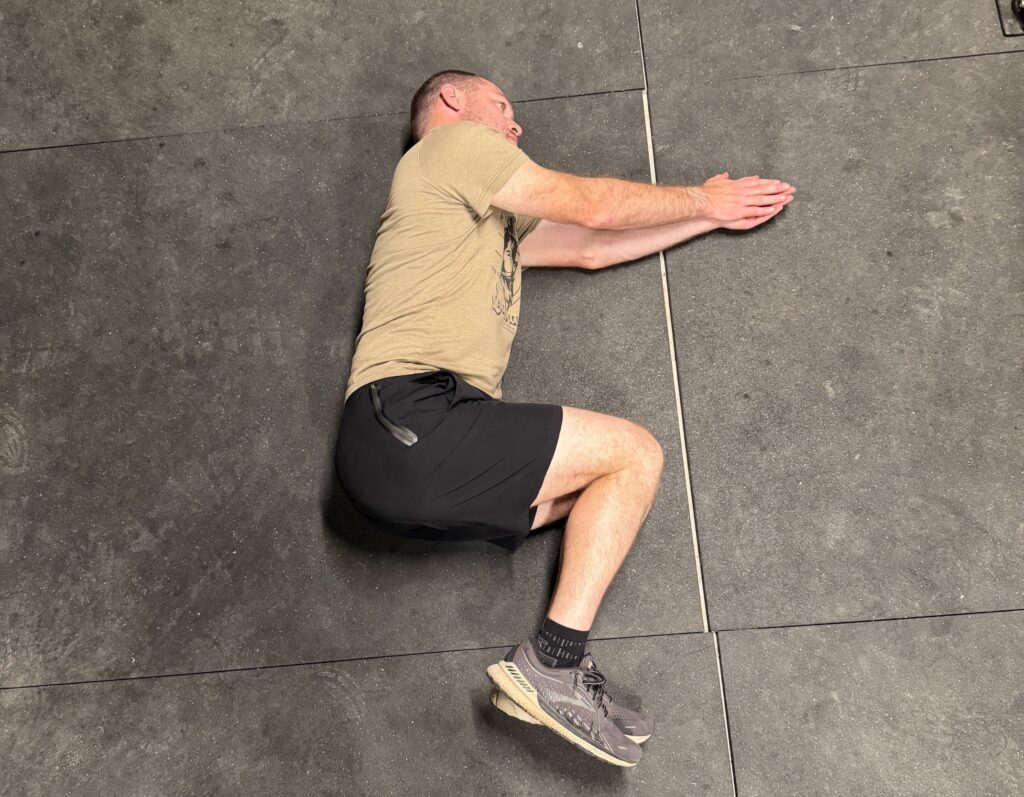
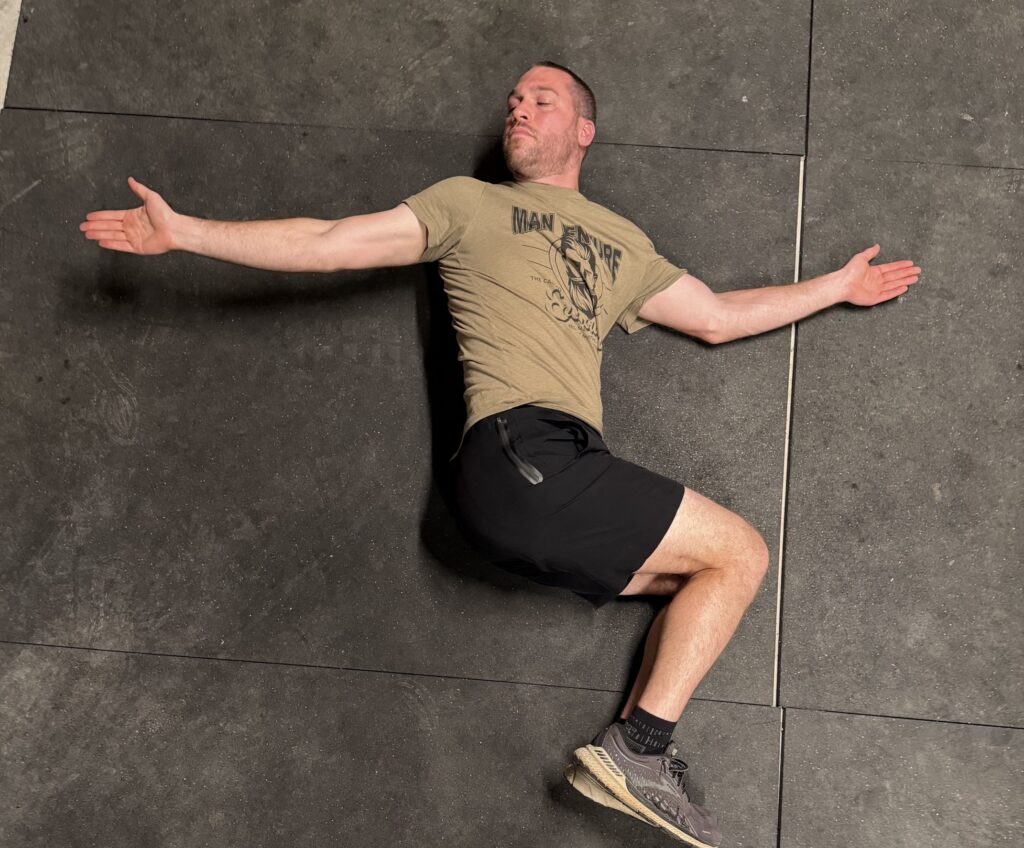
Open Book Stretch
Primary Target: Thoracic mobility (rotation and extension)
Biomechanical Objective: Improves functional mobility allowing for decreased compensation with pushing and pulling activities
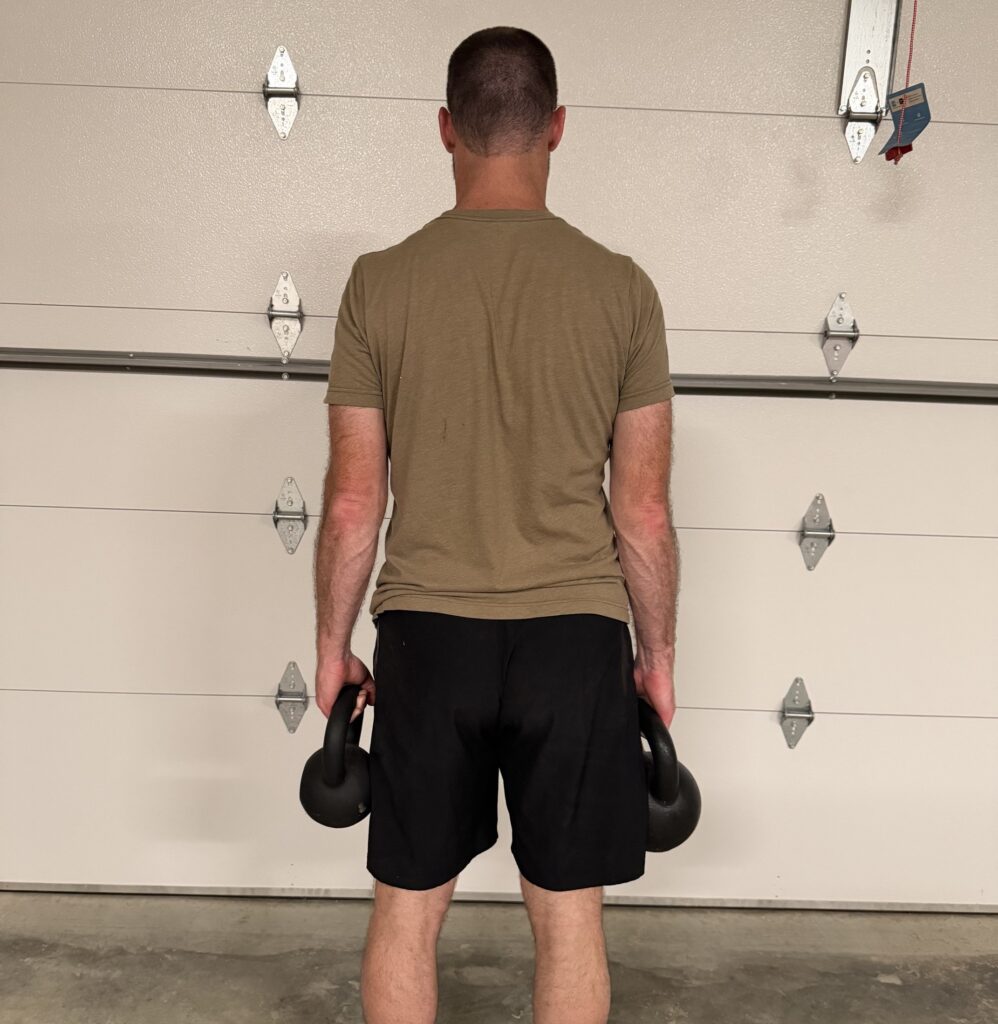
Farmer’s Carry
Primary Target: Core, lower trap, and grip stability.
Biomechanical Objective: Enhances structural capacity for carrying equipment; builds periscapular endurance.
Archer Stability Hold
Primary Target: Rotator cuff and scapular stabilizers
Biomechanical Objective: Promotes isometric muscle endurance needed during the anchor phase before release.

Bow Row Hold
Primary Target: Rhomboids, latissimus dorsi, and posterior deltoid.
Biomechanical Objective: Balances the reciprocal pulling/pushing forces between the draw arm and bow arm.

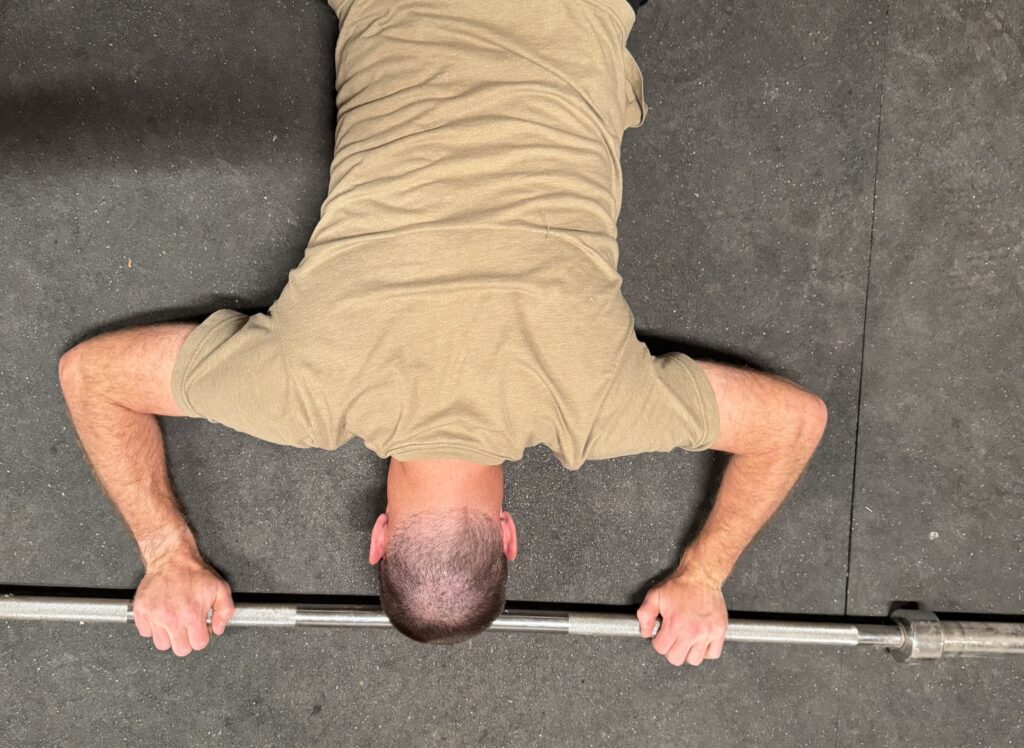
Prone Pole Push
Primary Target: Glenohumeral mobility and deep rotator cuff activation
Biomechanical Objective: Restores overhead range of motion and strengthens lower traps under active control.

Managing Mechanical Load: Draw Weight and Practice Volume
Technological advancements in modern compound bows have drastically changed the relationship between draw weight and kinetic energy output. High draw weights are no longer clinically or practically necessary for a lethal shot.
“With modern bow design and arrow technology, a compound bow set to a 40-pound draw weight produces more than enough kinetic energy to effectively hunt big game.”
— Industry Data, Archery Trade Association
Reducing a bow’s draw weight reduces the sheer mechanical stress applied to the tendon attachments of the rotator cuff. This allows for a smoother, more controlled drawing motion, which minimizes excess body movement in the field and protects vulnerable joint structures.
Furthermore, practice sessions should prioritize neuromuscular quality over volume. Repetitive shooting to the point of muscular fatigue leads to a breakdown in form, forcing secondary muscles to compensate and increasing the risk of acute impingement. Implementing a strategy of “perfect practice”—shooting a limited number of high-intention arrows daily—builds reliable motor pathways without overloading aging tendons.
Clinical Outlook for the Aging Archer
Musculoskeletal adaptation is possible at any stage of life. Progressive resistance training yields significant improvements in tissue tolerance, muscular power, and joint stability regardless of age. While a structured pre-rehabilitation program cannot entirely erase structural changes in a joint, it significantly expands an individual’s functional capacity. By building strength, optimizing shoulder mobility, and managing mechanical draw loads, archers can safely preserve joint health and extend their hunting longevity for decades.